
Redefine Success
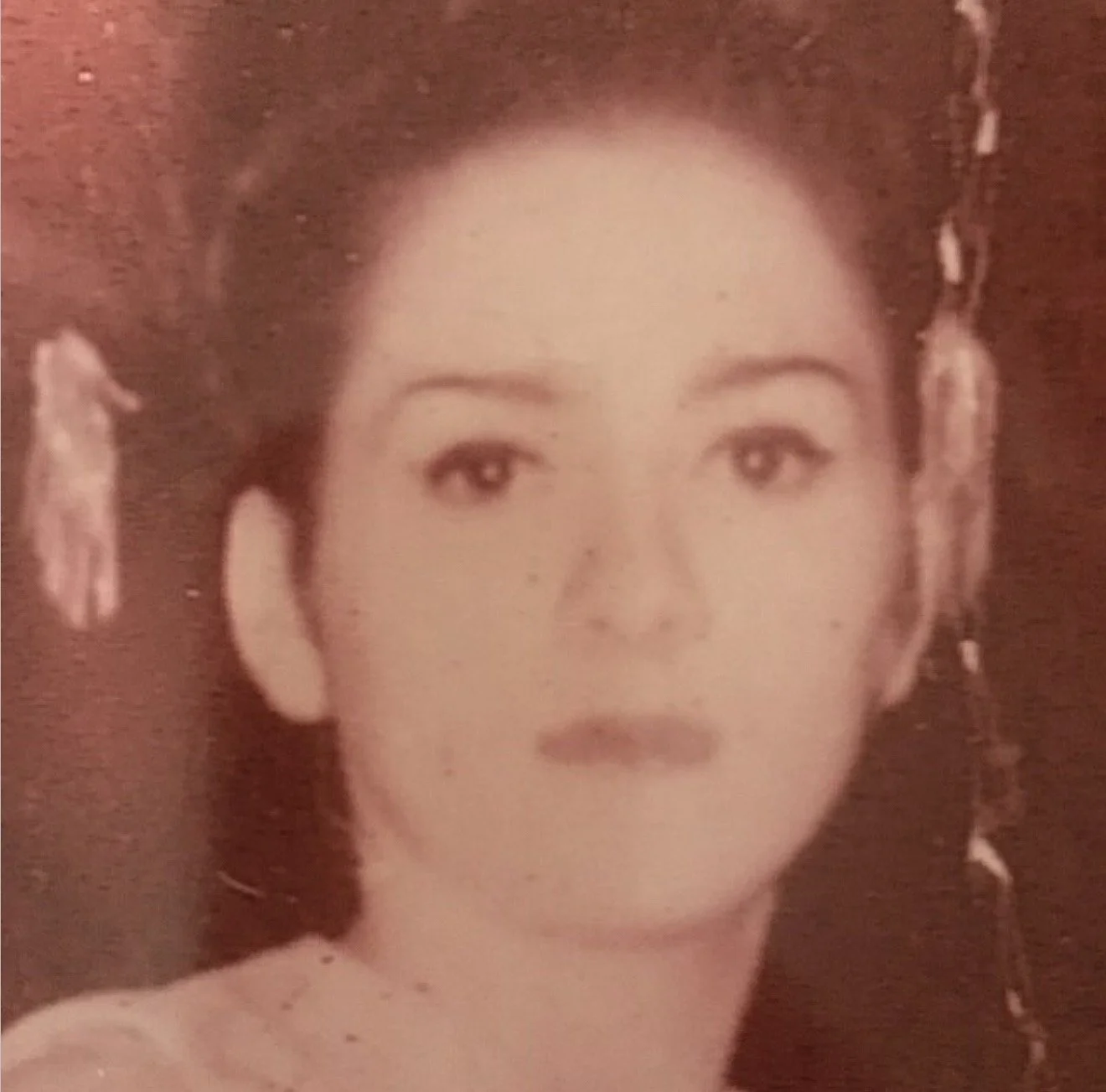
A Legacy Carried Across Worlds
Fatima did not come to Salem as someone chasing novelty or spectacle. She arrived from Eastern Europe carrying something older than performance and deeper than trend. She carried a spiritual inheritance. It had been shaped by old countries, hard lives, inherited memory, and ways of knowing that were not easily explained to outsiders. What she brought with her had not been invented for attention. It had been preserved through generations, guarded within family, and passed carefully from hand to hand.
By the time she reached Salem, that inheritance had already lived through enough to teach her what endurance meant. She understood that sacred things were not always welcomed in the open. She understood that some traditions survive not because the world makes room for them, but because someone refuses to let them die. In Salem, she found a city already marked by mystery, fear, and the long shadow of its own history. But she did not come there to play into fantasy. She came to live, to work, and to practice what she knew.
What She Built
What Fatima built in Salem was never just a shop. It was a place where a family tradition could take visible form. It was a place where spiritual work could remain serious, disciplined, and intact. She did not soften it to make it easier for others to consume. She did not reshape it into entertainment. She did not hand it over to the expectations of people who wanted mystery without truth, atmosphere without discipline, or folklore without the weight of lived tradition.
What made her path even harder was that she was carrying two burdens at once. She was a woman determined to build something of her own, and she was a psychic unafraid to make that work visible. Each one on its own could provoke resentment. Together, they invited a particular kind of judgment. There were people who did not want to see a female business owner become successful. There were people who did not want to see a psychic become respected, established, and enduring. In Fatima, both forms of resistance met.
Resistance, Jealousy, and Survival
Her success did not soften that hostility. In many ways, it sharpened it.
The more visible she became, the more her presence stirred jealousy, criticism, and disdain, not only from the public, but at times from the city of Salem itself. She was not embraced by the local establishment. She was not elevated by civic support. She did not receive special benefits, protection, or the comfort of being carried by the city around her. What she built, she built against resistance.
Fatima was entirely self-made. Her name traveled not because institutions lifted her, but because people spoke of her. Her reputation grew by word of mouth, by the private testimony of those whose lives had been touched by her insight, her discipline, and the results they experienced through her work. People came because something real was happening there. They returned because they had felt its weight for themselves. In the end, it was not approval from the city that sustained her. It was the trust of her clients and the force of her own conviction.
How She Helped Others Grow
What made Fatima’s work endure was not only the strength of her presence, but the effect she had on the lives of the people who came to her. She did not approach her practice as spectacle, and she did not treat those who sought her out as passing curiosities. She saw people in moments of uncertainty, heartbreak, confusion, and spiritual heaviness, and she met them with the old traditions she had carried across worlds.
The wisdom she worked from was ancient in spirit and deeply personal in practice. It was shaped by inherited customs, intuitive discipline, and spiritual methods that had been preserved within lineage rather than manufactured for display. Through reading, spiritual insight, and healing remedies, Fatima helped people understand what they were moving through, what patterns were surrounding them, and what spiritual weight they may have been carrying for far too long. Her work was not simply about prediction. It was about recognition. It was about helping people see clearly what had been clouded, blocked, or left unspoken.
For many, that clarity became a turning point. A reading with Fatima was not meant to flatter. It was meant to reveal. She helped clients confront the truths shaping their lives, whether those truths lived in love, family, timing, personal struggle, or spiritual unrest. Where others may have offered only mystery, Fatima offered direction. Where others may have left people with fear, she sought to leave them with understanding.
Her spiritual remedies and healing work were an extension of that same purpose. They were offered not as empty ritual, but as part of a larger belief that insight alone was not always enough. Sometimes people needed spiritual attention, restoration, or a way to address what had settled into their lives too deeply. Fatima believed that certain burdens could be softened through disciplined spiritual work, prayer, and old healing traditions. In her hands, these practices were not theatrical gestures. They were part of a serious effort to help people move forward lighter, clearer, and more whole.
How Her Reputation Was Built
Over time, this is what built her reputation. People returned not only because she had a gift, but because they felt the force of her sincerity. They came to her for insight, but many left with something larger: a sense of direction, a deeper understanding of themselves, and the feeling that what had once seemed tangled could, with the right spiritual care, begin to loosen.
That is how Fatima built success. Not through noise, and not through performance, but through the quiet power of helping people grow. She gave clients a place to seek truth, spiritual steadiness, and healing rooted in ancient tradition. What she built in Salem was not only a business. It was a refuge for those seeking clarity, transformation, and the kind of wisdom that feels older than words.
The Woman Behind the Legacy
She stood her ground. She worked. She raised four children while building her place in Salem and carrying her family’s lineage forward. In time, she became the first female business owner in her bloodline. She did not merely keep a tradition alive behind closed doors. She brought it into public life, protected it under pressure, and built a future through it.
The people who knew her understood that her presence had its own gravity. She was strong, exacting, and not easily moved. She could not be separated from her conviction. What she had inherited, she honored. What she built, she defended. And what she passed on, she passed on with seriousness.
More Than a Business
In Salem, a city so often drawn to the surface of mystery, Fatima represented something deeper. Her work was not costume. It was not performance built for fascination. It came from history. It came from lineage. It came from survival. That is what gave it weight.
What remains now is more than the memory of one woman’s business. What remains is the continuation of a life’s work shaped by migration, resistance, motherhood, discipline, spiritual inheritance, and earned success. Fatima’s story is the story of a woman who entered a world that was not eager to honor either her authority or her calling, and built something that endured anyway.
She did not merely open a psychic shop. She carried forward a tradition. She made it visible. She protected its dignity. And in doing so, she left behind more than a name. She left behind a legacy.
